
Re: A news item and subject which I just want to check out (182) November 28, 2025
At last, next Monday is December 1, and we will enter December. It is the same every year, but this year too, I feel like it will just slip by, leaving me with a sense of regret. On top of that, around this time of year, “cards notifying of mourning” start arriving almost every day. In the past, it was mostly the parents, and it was a matter of saying, “Thank you for fulfilling your duties as a child, and you must have worked hard”, but recently, I have been hearing more news about the deaths of friends and acquaintances. Thinking back on the youth we spent together, I am reminded of the uncertainty of human life.
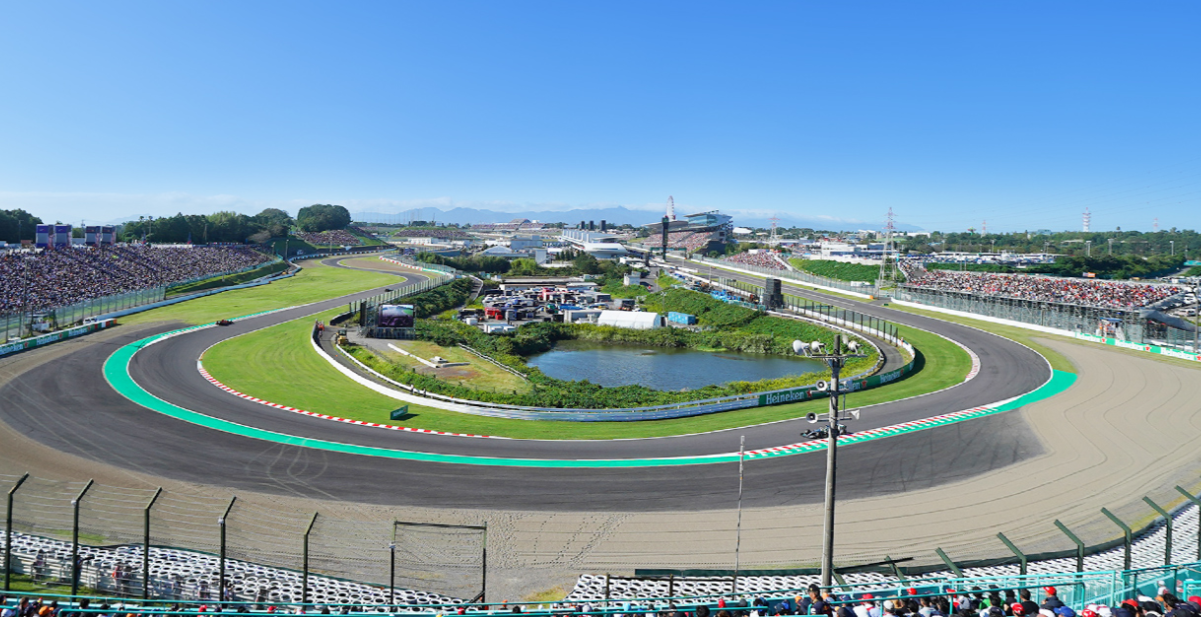
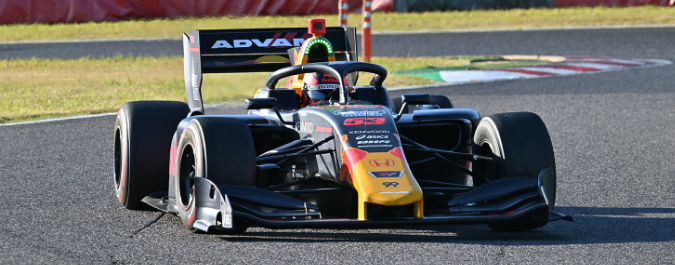
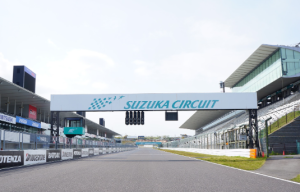
Changing the subject from a sentimental story, last weekend, I was invited and went to Suzuka Circuit for the first time. The itinerary for the first day is that I arrived at Tsu Station about 1 hour and 20 minutes from Kintetsu Namba Station in Osaka, and after that, I toured the surrounding area (Tsu Kannon, Senju-ji known as Takadahonzan, Kouchi Valley) and stayed at Sakakibara Onsen in Tsu City, Mie prefecture. And the next day, I went by car to Suzuka Circuit, about 1 hour away, and watched the JAF Suzuka Grand Prix race. This race is a four-wheel race using open-wheel formula cars, and it started in 2013 as a successor to Formula Nippon. The race usually covers 26 laps of a 5,807km course. Watching a racing car that dashes right in front of me at an incredible speed of 300km per hour (83.33m per second), almost the same as Shinkansen “Nozomi”, roaring with an amazing blast of sound, I could understand why people get addicted to it. For your information, Suzuka Circuit is a complex facility that includes a theme park, hotels, and an amusement park, and the site area is said to be as large as 47 Tokyo Domes. Since both adults and children could enjoy it, there were a lot of people on that day. On the other hand, when I moved a little away from the noise of Suzuka Circuit, I could really feel the depopulation of the countryside.
■■What I have recently thought and focused on:
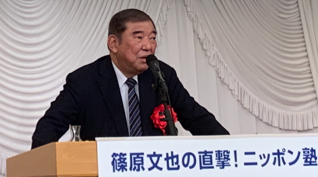
■I attended “Direct hit! Nippon cram school” seminar:
This month’s “Direct hit! Nippon cram school” guest speaker on November 26 was former Prime Minister Ishiba. In his speech, he mentioned the following points as things he tackled during his 386 days in office. 1) Improvement of treatment for Self-Defense Forces members 2) Response to Trump’s tariffs 3) Minimum wage increase 4) Centralization of disaster response contact points through the establishment of Disaster Prevention Agency (originally aiming for Ministry of Disaster Prevention) 5) Shift in agricultural policy (production adjustment) 6) Success of the Kansai Expo 7) “Reflections on 80 years after the war”.
Mr. Shinohara, the head of the school, asked as follows. (Actually, I had prepared the same question.) “The cabinet formed on October 1, dissolved on October 9, and then the House of Representatives election was held on October 27, resulting in crushing defeat. In the end, wasn’t this what undermined the administration? Why did you decide to dissolve and hold a general election at that point?”
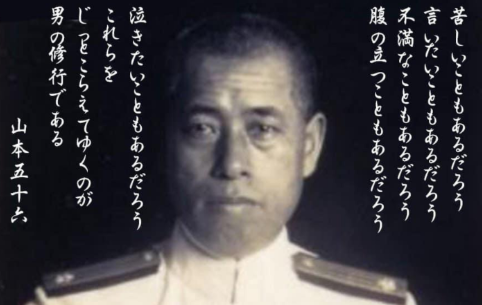
In response to this, former Prime Minister answered as follows. “As for me, I did not want to dissolve and hold a general election at that point. However, there was strong pressure from the surroundings, and I was concerned that the Liberal Democratic Party might split if things continued like this. Anyway, I ultimately made the decision myself, so all the responsibilities lie with me.” I felt the frustration he must have felt stepping down from power before achieving his goals, and I suddenly remembered “man’s training” left behind by Mr. Isoroku Yamamoto, former Commander-in-Chief of the Combined Fleet of the Japanese Imperial Navy, whose way of life I respect. “You may be uncomfortable. You may have what you really want to say. You may be dissatisfied. You may get angry with it. It is the man’s training to bear still these.” Of course, times have changed, and now the first female prime minister in constitutional history has taken office, so perhaps this is “human training” that should be shared not only by men but also by women.
■My thoughts on the Taiwan issue:
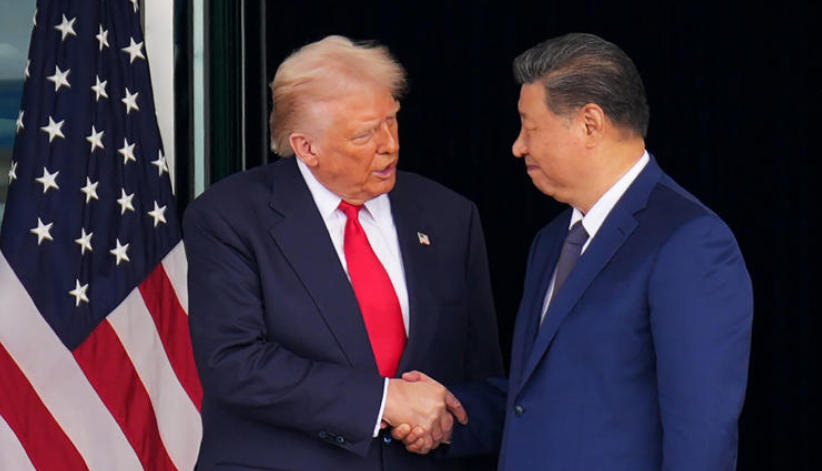
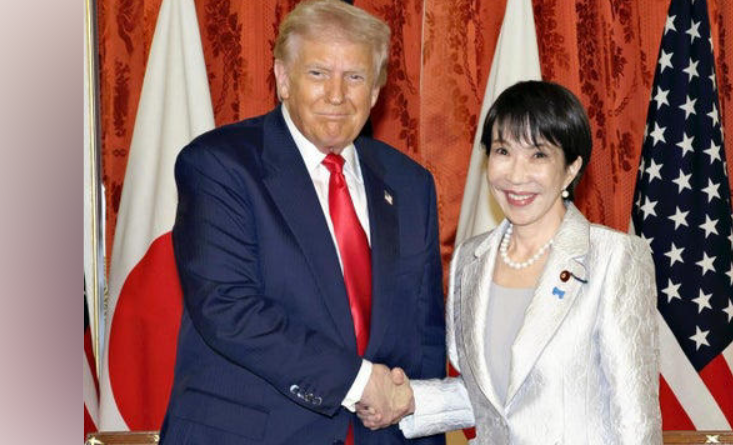
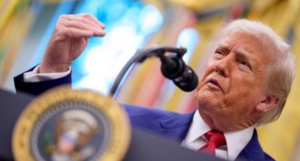
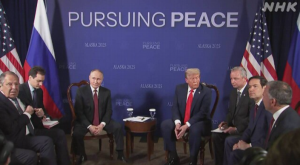
On November 24 in Japan time, it was reported that the phone talks between Trump and Xi Jinping were conducted at the request of the Chinese side (about 1 hour). It is said that within that context, President Xi emphasized that “the return of Taiwan is an important part of the post-war international order”. This is clearly aware of Prime Minister Takaichi’s remark at the House of Representatives Budget Committee on November 7, “linking the Taiwan contingency with Japan’s survival-threatening situation”. It looks like that President Xi seized the opportunity to deliver the final blow to President Trump. In addition, China sees through President Trump’s TACO (Trump Always Chickens Out) and his ambition. On the other hand, it seems that President Trump used to consider China as inferior, but recently, through issues like tariffs and rare earth export restrictions, he has come to see China as a formidable opponent and seems to be aiming for harmony and coexistence rather than confrontation. (This also aims to create a separation from Russia.) As evidence of that, he himself has stated that they agreed on the importance of frequent communication, including “Next April, the Chinese side will invite him to Beijing, China, and in return, in the latter half of 2026, President Xi Jinping will be welcomed as a state guest”. And on November 25, the day after the U.S.-China talks, a phone conversation with Prime Minister Takaichi was held at President Trump’s request (about 25 minutes). Within that context, according to reports from the U.S. side, it has been reported that “President Trump asked Prime Minister Takaichi to restrain from making statements about the Taiwan issue”. The Japanese side denies it, so the truth is unknown, but considering the timing of the talks, it would not be surprising if the U.S. side were to seek some form of restraint. This is exactly according to the Chinese side’s plan. This has effectively limited Japan from interrupting the Taiwan issue and has also become difficult to realize a “visit to Yasukuni Shrine” based on the Prime minister’s conviction. And China’s wolf warrior diplomacy, backed by its formidable military power, is expected to become even more intense in the future. Based on President Trump’s specialty in making deals, as dialogue progresses between the United States and Chine over Japan’s head, a major problem is how Japan will position itself.
■I am concerned about the decline of Japan’s economic power:
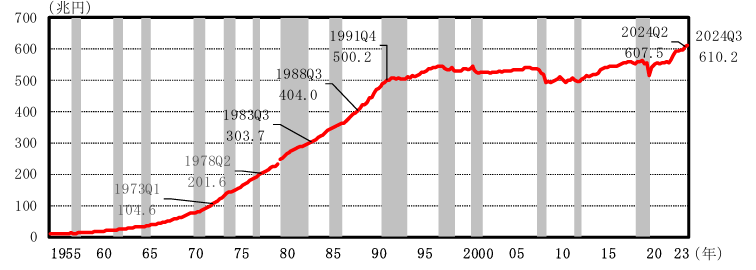
According to the latest global economic outlook released by the IMF (International Monetary Fund), Japan’s nominal GDP is estimated to be $5.1198 trillion (about 775 trillion yen). In the 2025 world rankings, Japan is fourth, following the United States, China, and Germany, but forecasts for five years later indicate that Japan will fall to sixth place, being overtaken by India and the United Kingdom. The background of this outlook indicates factors contributing to the weak yen, and it has a significant impact when converting GDP into dollars. (Since the coronavirus pandemic, it has decreased by about 30%.)
For your information, Japan’s share of the world’s GDP exceeded 10% in 1985, making it the second largest after the United States, but it fell below 4% in 2024. Like this, the Japanese economy is gradually losing its former presence.
By the way, India is expected to maintain a real growth rate in the 6% range from 2026 onward, supported by strong personal consumption as well as corporate capital investment aimed at capturing domestic demand. The population of the United Kingdom is about 69 million, roughly half that of Japan, but it is increasing due to immigration. Real growth rate from 2025 onward is expected to range from 1.3% to 1.5% per year in the United Kingdom, surpassing Japan’s annual rate of 0.5% to 0.6%.
And the IMF is also sounding the alarm on the risks that the collapse of AI (artificial intelligence) boom and the spread of immigration restrictions in countries like the United States could drag down global economic growth. Furthermore, the global economy is currently becoming increasingly divided due to protectionism.
Under such circumstances, Japan, which lacks significant natural resources and has developed under the benefits of a liberal economic system, must now gather collective wisdom to determine how to find a path forward and aim for revitalization of its national power. In my opinion, rather than symptomatic treatment like handing out subsidies, steady policies such as developing talent that can compete globally are necessary, along with bold surgical operations (industrial structural reforms). Of course, “easier said than done”, but I feel that Trump-style “creative destruction” is needed especially in Japan.