
Re: A news item and subject which I just want to check out (183) December 12, 2025
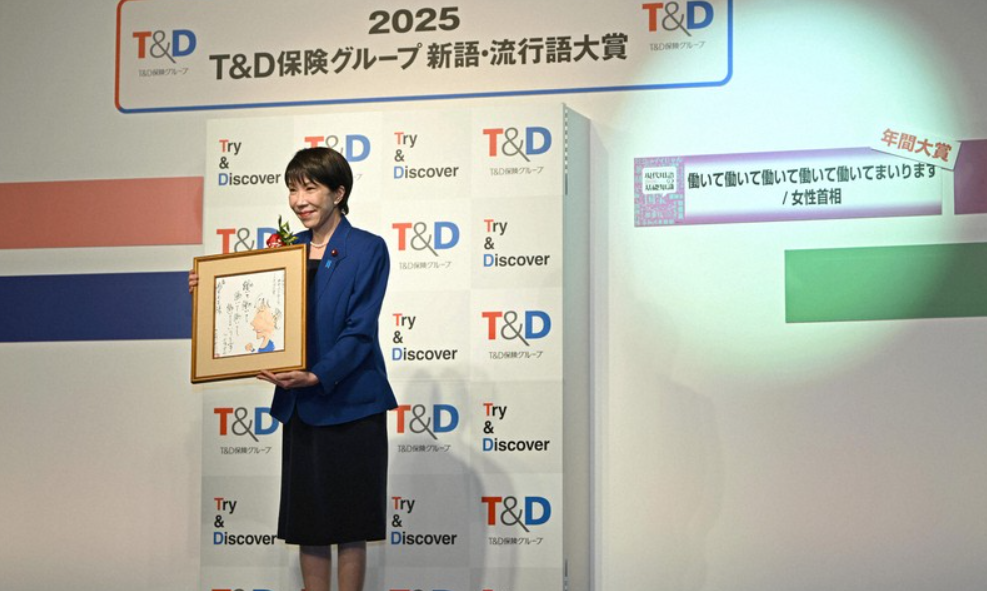
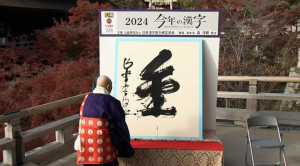
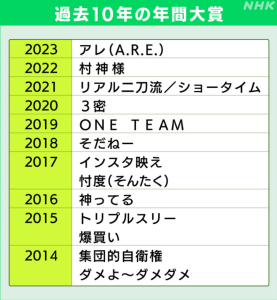
It is mid-December, and I somehow feel a sense of restlessness. Looking back, a lot of things happened this year as well. In this context, the hot topic in the country is undoubtedly the birth of the first female prime minister in our nation’s constitutional history. And Prime Minister Takaichi’s remark in her speech after being elected in the Liberal Democratic Party leadership election on October 4, “I will work and work and work and work and work” was chosen as this year’s buzzword of the year. There were parts that were misunderstood as if she was saying, “everybody should work harder”, but at the awards ceremony, she explained that her remark was “not intended that way and came from a desire to work hard and contribute to Japanese citizens”.
By the way, according to the World Economic Forum (WEF), Japan’s gender gap ranking improved from 125th out of 146 countries in 2023 to 118th out of 148 countries in 2025, but it is still a ranking that is inferior to other Asian countries and the world average. It remains the bottom in G7. However, with the birth of a female prime minister this time, the United States is now the only G7 country that has not produced a female leader (president or prime minister). In Japan, the low participation rate of women in politics is considered a factor for the low ranking, so the rank may improve somewhat.
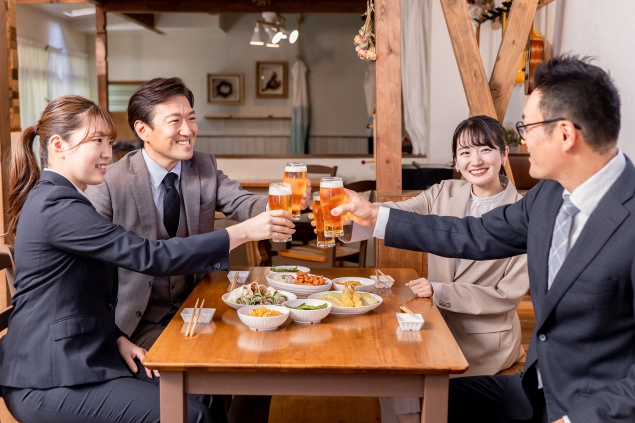
Well, it is the season for year-end parties. However, unlike our generation, it seems that 60% of young people today think that “workplace drinking parties” are unnecessary and there is a tendency to dislike “using” the three things “time, money and consideration”. In addition, the strengthening of penalties for drunk driving since last November may also be one reason why people are “attending workplace drinking parties less”. Of course, no matter what, “if you drive, don’t drink; if you drink, don’t drive!” must be strictly followed. “Drunk driving” is a crime.
Anyway, I fondly remember the days when I was young and working on site, secretly hoping that after finishing work efficiently, my boss would say, “good job, how about we go for a drink?”
This year marks 80 years since the end of the war, and it really feels like “the Showa era has become a thing of the past”.
■■What I have recently thought and focused on:
■Unstoppable declining birthrate and aging population, and population decline:
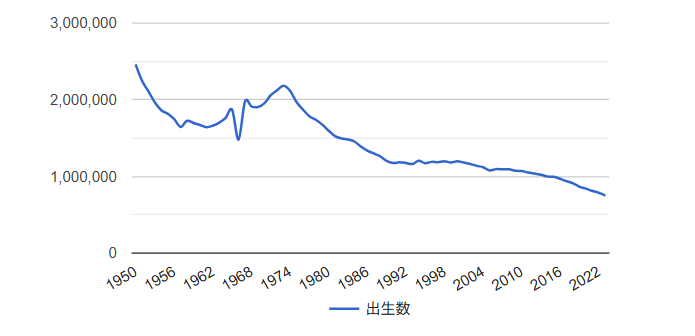
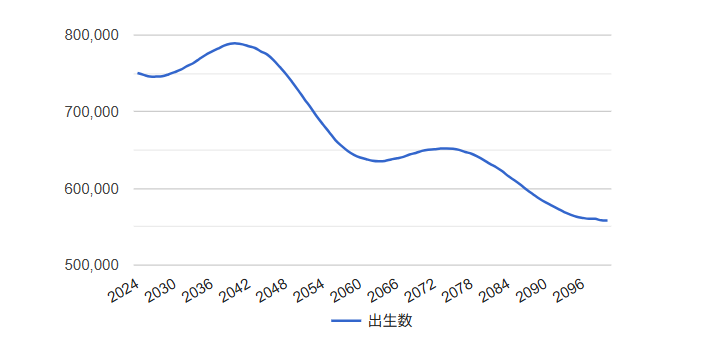
The number of Japanese births in the country in 2024 was 686,000, the smallest ever recorded.
According to private estimates, this year is also expected to be a 3.0% decrease from the previous year to 665,000, marking the smallest number on record for the second consecutive year. For your information, the year with the highest number of births was 1949, the final year of the first baby boom (from 1947 to 1949), with 2,697,000 (3.9 times the number in 2024). The number of marriages, which is closely related to the number of births, was also an all-time high of 1.099 million couples in 1972 during the second baby boom (from 1971 to 1974), but in 2024 it had decreased to less than half (44%), down to 0.485 million couples.
In light of these circumstances, Prime Minister Takaichi emphasized in her recent policy speech that “Japan’s greatest problem is population decline”. Japan’s total population has been declining since peaking at 128.08 million in 2008, and as of June 1 this year, the confirmed total population is 123.19 million, a decrease of about 5 million from the peak. And according to the latest population estimates published by the National Institute of Population and Social Security Research (IPSS) in 2023, the total population in 2070 (median) is projected to be about 87 million. At the same time, the aging population (65 and over) is also increasing, and it is expected to rise from 28.6% in 2020 to 38.7% in 2070. And in 2040, the population aged 85 and over will exceed 10 million, while the working-age population (ages 15 to 64) will decrease by about 11 million compared to 2025. Like this, Japan has become a society with a declining birthrate, an aging population, and population decline (low birth, high death). Population statistics are highly accurate, and looking ahead to 2043 (the year the second baby boomer generation turns 65), when the number of elderly people will reach its peak of 39.52 million, this trend is expected to become even stronger, and the impact on Japan’s economy and social security system is likely to become apparent in various ways. Accepting foreign workers and building an inclusive society, raising the retirement age from 60 to 65 to 70 and raising the pension eligibility age, and ensuring taxes and social insurance premiums are paid according to ability are unavoidable and urgent issues.
Besides this, Japan faces unique problems, such as “having the world’s worst national finances” and “being one of the countries with the highest frequency of disasters in the world”. How will the Takaichi administration confront these various issues and set a course?
■The announcement of the first “National Security Strategy” (NSS) under the second Trump administration:
The NSS serves as a guide for the United States’ security policy. It includes the measure of “strengthening the capabilities of the United States and its allies to prevent attempts to seize Taiwan”, with China in mind, and along with that, the United States is demanding significant increase in defense spending from allied countries.
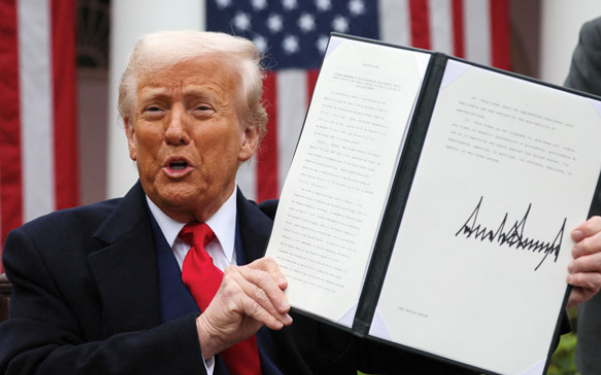
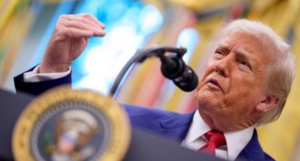
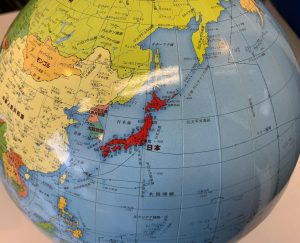
And as a basic strategy, it emphasizes prioritizing U.S. national interest (Trump-Monroe Doctrine) and focusing on “the Western Hemisphere”, particularly Central and South America (Japan is in the Eastern Hemisphere). That attitude is reflected in President Trump’s words and actions such as “making Canada the 51st state”, “renaming the Gulf of Mexico to the Gulf of America”, “acquiring Greenland”, which is located between Russia and the United States, and furthermore, most recently, there has been a military intervention in Venezuela under the pretext of drug control. While the United States draws a clear line with Europe in terms of policy, the United States seems to adopt a more appeasement stance rather than a confrontational one toward Russia and China.
China is keenly sensing these changes in U.S. policy. And taking advantage of Prime Minister Takaichi’s remarks on the Taiwan issue, it seems to me that military actions and provocations based on hegemonism will further intensify in the waters near Japan and in East Asia.
In addition, moody President Trump and current Vice President Vance, who is considered a leading candidate for his successor, base deals under the America First policy, and there is a sense of uncertainty in their foreign policy approach. The same goes for the Ukraine peace talks. Therefore, it is not too much to say that Japan’s approach to security is now at a major turning point.
■The Supreme Court will rule on Trump’s tariffs:
Since taking office in January this year, President Trump claimed that the United States had been continuously exploited by other countries through unfair trade and significantly raised the average effective tariff rate on imports from other countries from 2.4% before his inauguration to 16.8%. In the United States, regarding these tariffs, small and medium-sized enterprises based in New York and Democratic-leaning states have filed lawsuits, claiming that “President Trump exceeded his authority”. The first instance judgment in May and the second instance judgment in August largely upheld the plaintiff’s claims. At present, the stage has shifted to the U.S. Supreme Court, and its decision is reaching a climax.
A close American friend wrote the following about this matter in an email. “I think that even though American citizens are paying a very high price because of tariffs, the country is only making enemies. Tariffs revenue is piling up in huge amounts, but the situation will change depending on how it is used or whether the Supreme Court rules it illegal.” (This email was sent in Japanese using AI translation function. I think we have entered an amazing era.)
For your information, of the nine judges of the U.S. Supreme Court, six judges who are considered conservative are generally aligned with the administration. But it is said that the Supreme Court does not always make decisions that favor the Trump administration. If the Supreme Court rules that “Trump’s tariffs are unconstitutional”, it is said that the administration will consider an alternative plan, but major impacts and confusion are likely unavoidable. It is necessary to closely monitor how the situation develops.