
Re: A news item and subject which I just want to check out (189) March 6, 2026
March has begun, and the Hina Matsuri (on March 3, Peach Festival) and Keichitsu (on March 5, the day when insects come out to the surface) have also passed. The days continue like the pattern of “three cold days followed by four warm days”, signaling the arrival of spring.
In addition, the blooming of this year’s cherry blossoms (Somei Yoshino) is expected in Tokyo on March 18 (Wednesday) and in Osaka in late March.
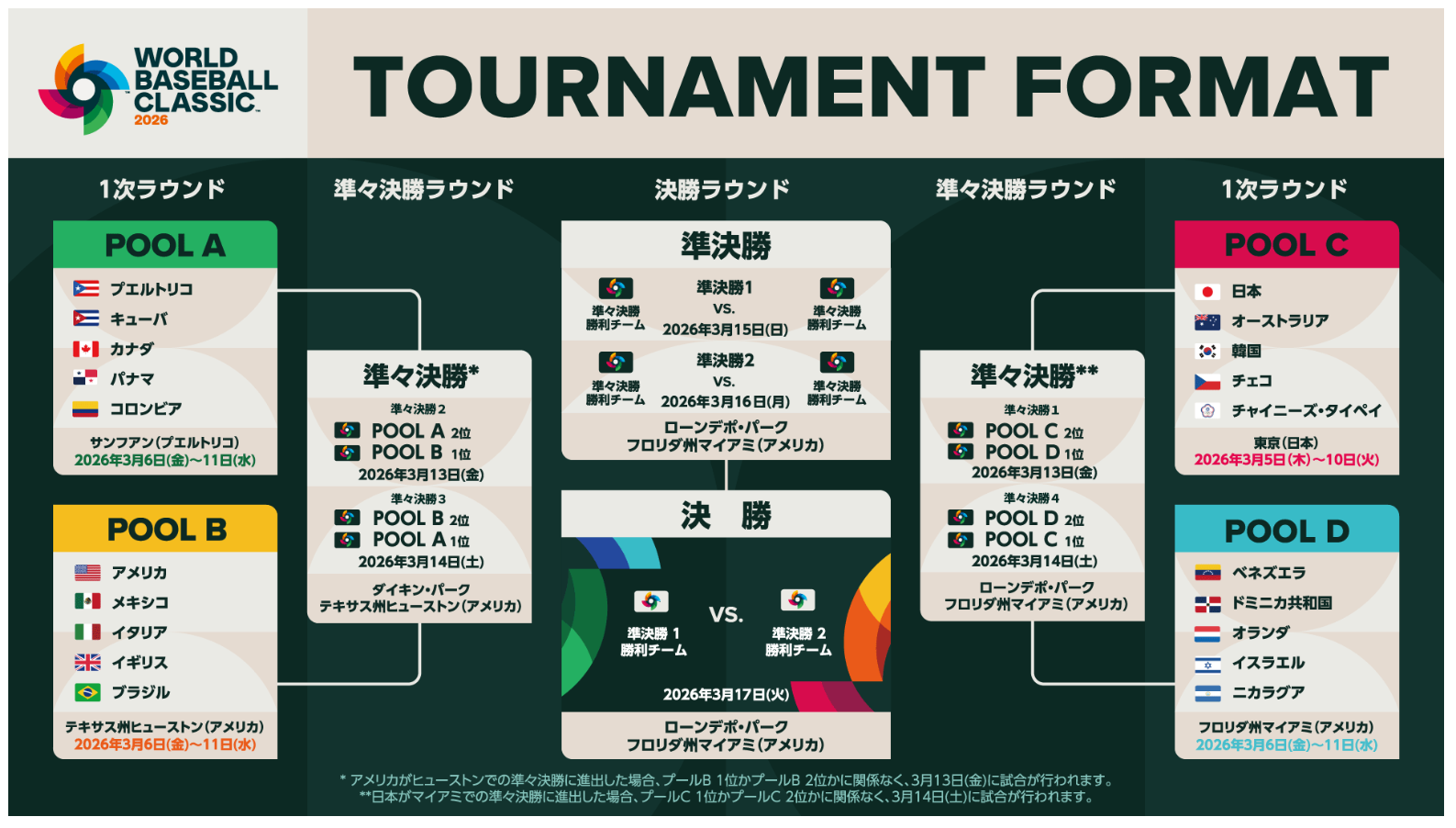
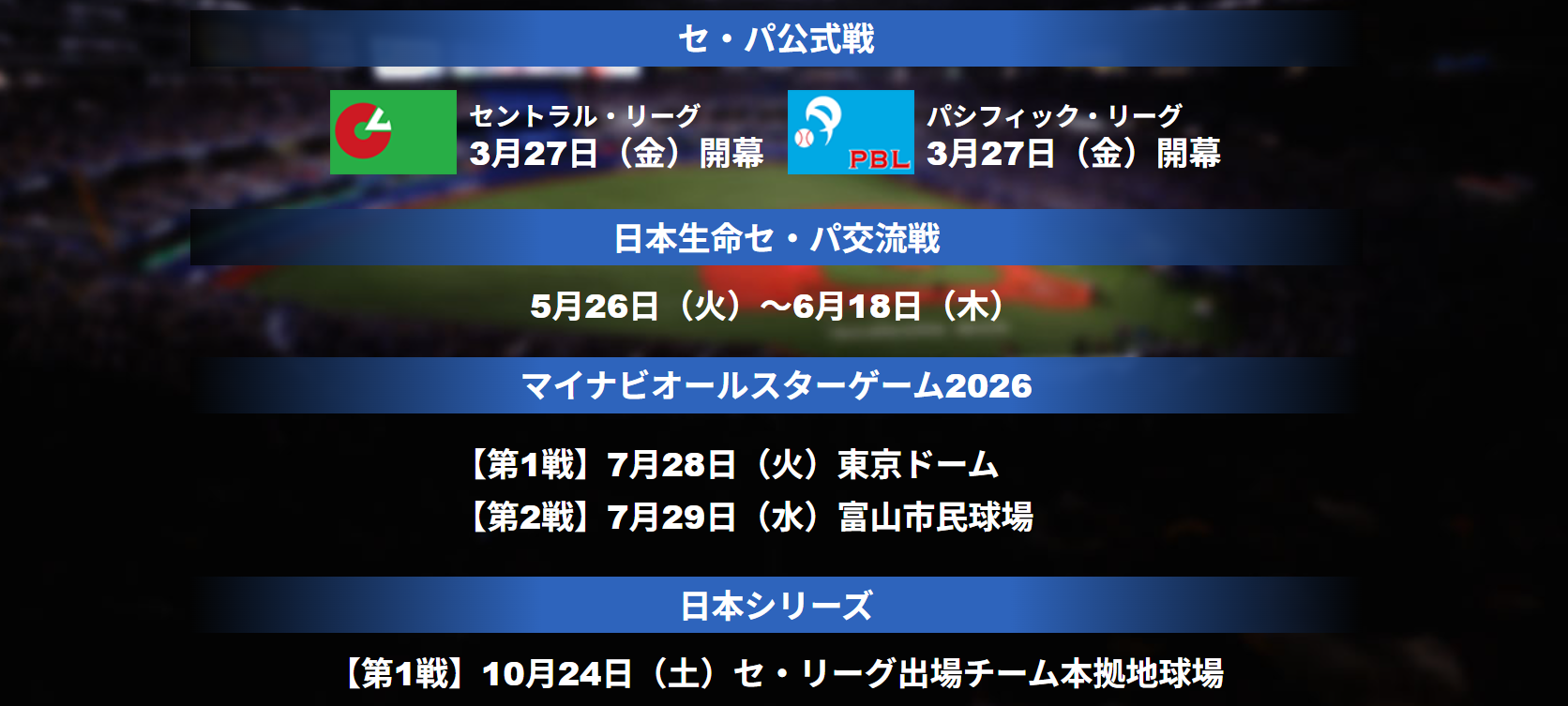
On the other hand, the sports world is gradually entering the season. The Osaka Marathon (on February 22) and Tokyo Marathon (on March 1), aiming to contribute society through charity activities, were held one after another. Both are designated as qualifying races for the “Los Angeles 2028 Olympics”. In baseball, the preliminary round for the 2026 WBC (World Baseball Classic) begins on March 5 (Thursday), and Pool C, to which the Japanese team belongs), will be held at the Tokyo Dome until March 10 (Tuesday). Japan’s first match is against Taiwan on the night of March 6 (Friday). The top two teams in the preliminary round advance to the next stage, and an intense battle is expected for the final match at Loan Depot Park in Miami, Florida, on March 17 (Tuesday). And on March 8 (Sunday), the Grand Sumo Spring Tournament (Osaka Tournament) will begin. It is incredibly popular, and it seems that my friend tried the lottery for advance tickets but did not win. And the Spring Selected High School Baseball Tournament will be held at Koshien Stadium from March 19 (Thursday) to March 31 (Tuesday). Furthermore, the official Central and Pacific League games of Japanese professional baseball will open on March 27 (Friday). It is a great season for sports fans.
For your information, the next blog streaming will be on March 27 (Friday), because March 20 (Friday) is a national holiday (Spring Equinox Day).
■■What I have recently thought and focused on:
■The beliefs of Anthropic, a generative AI startup in the United States:
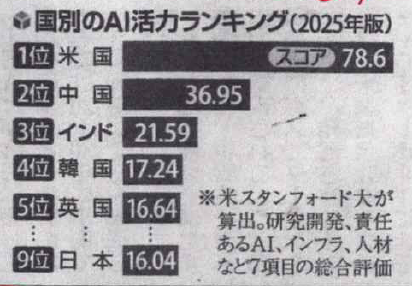
Currently, an intense global competition in generative AI development is taking place. In the United States, OpenAI (ChatGPT), Google (Gemini), and Meta (Llama), and in China, Baidu, Alibaba, and DeepSeek, along with many emerging companies, are competing fiercely.
It is said that Japan is somewhat behind in terms of scale and speed of development investment.
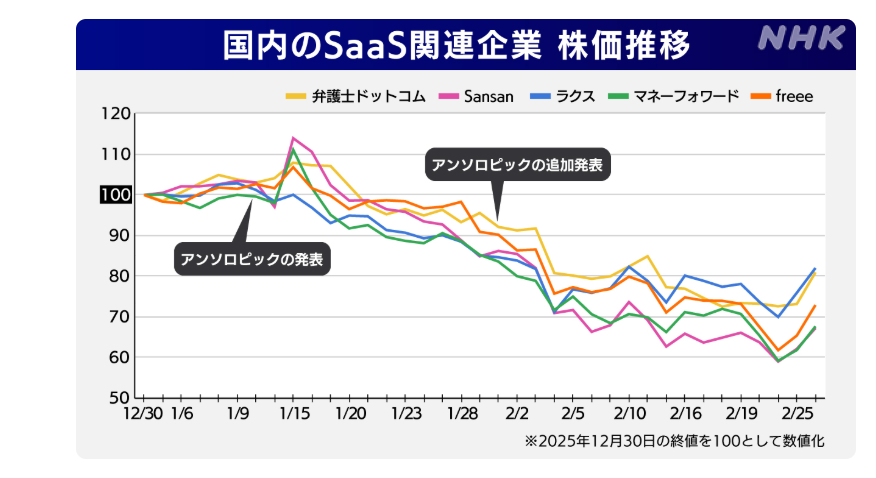
Under such circumstances, currently, in the United States, Anthropic is attracting attention. It seems that until the company ran an advertisement during the “Super Bowl” on February 8 this year, The AI (Claude) it provides was around 42nd place in the App Store. But it has been reported that recently it surpassed ChatGPT to take the top spot in the rankings of free apps in the United States (as of February 28). The company announced last month that it added new features to its AI tool “Cowork”, enabling it to handle the automation of specialized tasks such as legal and financial analysis. As a result, there is speculation that users will be able to internalize system development and modifications such as “COBOL”, leading to the idea that services from software companies will become unnecessary, or “SaaS (Software as a Service) is dead”, which is also affecting the stock prices of related companies. On the other hand, Anthropic is in conflict with the Department of Defense, arguing that the use of its AI technology by the U.S. military in the Venezuela operation (at the beginning of January this year) and in the attack on Iran (at the end of February this year) violates the company’s internal regulations (prohibiting the promotion of violent behavior and the use for weapons development). President Trump was said to be furious, but in the end, the Department of Defense decided to set a six-month transition period and gradually stop using the company’s AI technology (switching to ChatGPT). It is ironic that this, on the contrary, led to a surge in other users. I don’t know whether the company’s regulations are based purely on corporate ethics or on some other special reason. However, it is not easy for a company, when dealing with the state, to adhere to its fundamental principles (beliefs) regarding safety measures and proper usage. This is something not only executives in Japan but also those in other countries can’t easily imitate. Once again, I felt the “depth of American society’s generosity”.
■Advantages and disadvantages of a weak yen:
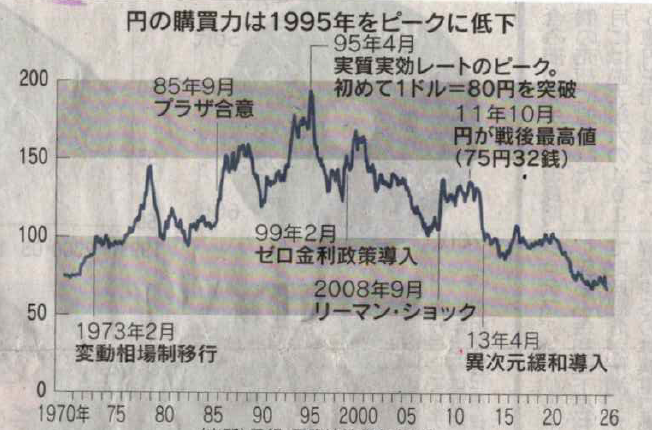
Prime Minister Takaichi mentioned during the House of Representative election campaign that she was “happy with the weak yen”, which was taken as if she were accepting the weak yen, and for a time, the yen was sold in the market. After that, it returned to the 153-yen level, but due to the joint U.S.-Israel military operation against Iran that began on February 28, the yen is being sold again. The yen was once considered a “safe-heaven currency that is bought during crises”, but it has now become the “weakest currency” in the world. Incidentally, the indicator showing the comprehensive strength of the yen has fallen to a new low since the shift to a floating exchange rate system (February 14, 1973), dropping to one-third of the peak level (31 years ago). The prolonged economic stagnation and low interest rates, referred to as the “lost 30 years” are the main factors.
On the other hand, the current Japanese economy has a structure in which “the disadvantages of a weak yen outweigh the advantages”. The reasons are as follows. 1)Due to the changes in the industrial structure (relocation of manufacturing bases overseas), the trade balance is in deficit, and the benefits of a weak yen can’t be fully utilized. 2)Overseas expanding companies tend not to return profits to Japan, but to reinvest them locally. 3)High import dependence items such as food (the calorie-based self-sufficiency rate is below 40%), energy (the self-sufficiency rate is about 15%), and software usage fees for IT and AI (70~80% are foreign-made), are driving domestic price increases. 4)It is disadvantageous for overseas company acquisitions. 5)The rising cost of overseas travel 6) Figures such as GDP (Gross Domestic Product), when compared internationally (in dollar terms), decrease, putting downward pressure on the rankings.
Of course, a weak yen is beneficial for companies with a high export weight and there are industries that profit from the increase in inbound tourists (foreign visitors to Japan), but I think the disadvantages far outweigh the advantages.
■Last year, the number of births in Japan was the lowest ever at 705,000:
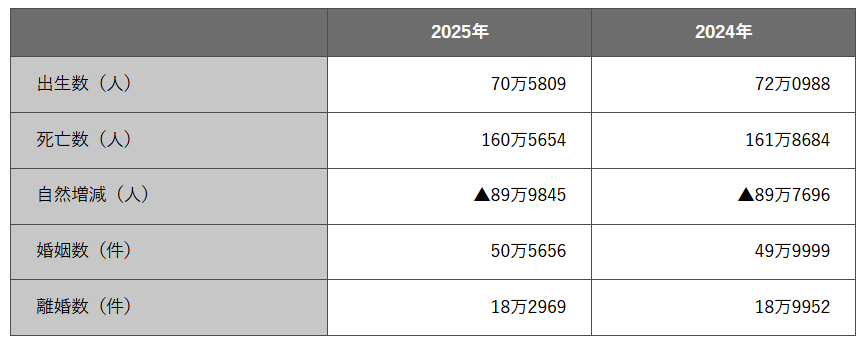
The number of children born in Japan in 2025 (including foreigners) was limited to 705,000, a 2.1% decrease from the previous year, marking the lowest number for 10 consecutive years. The declining birthrate is progressing 17 years faster than the country’s future projections, making the redesign of social security systems and other measures unavoidable. This year is the year of the fire horse, which occurs once every 60 years, and last time (in 1966) it decreased by 460,000 compared to the previous year, and the following year it increased by 580,000 (about 1.82 million→1.36 million →1.94 million), clearly showing the impact. At present, scientific technology has advanced and internationalization has also progressed, but considering that the number of people choosing to remain single for life is increasing, it seems that a decline in the future is inevitable.
For your information, in South Korea, where the population decline had also continued, the birth rate had been decreasing for 8 consecutive years up until 2023, but the number of births last year was 254,000, an increase of 6.8% compared to the previous year. The main reason cited is the increase in the number of marriages. This trend is the same in our country, and the number of marriages last year was 505,000 couples (a 1.1% increase from the previous year), marking an increase for the second consecutive year. There is a view that marriages that were postponed due to the COVID-19 pandemic have picked up in earnest.
On the other hand, in China, the number of births in 2025 was 7.92 million deceased by 17% compared to the previous year, the lowest since 1949 (the year when the People’s Republic of China was established). Until 2018, it exceeded 15 million, but in seven years it almost halved. It is pointed out that, against the backdrop of a fiercely competitive society, the burden of raising children weighs heavily on parents. China continued its “one-child policy” from 1979 to 2015, but now each couple is allowed to have up to three children. Even so, the population decline can’t be stopped. The number of marriages peaked at 13.46 million couples in 2013, but it had decreased to 6.10 million couples the year before last.